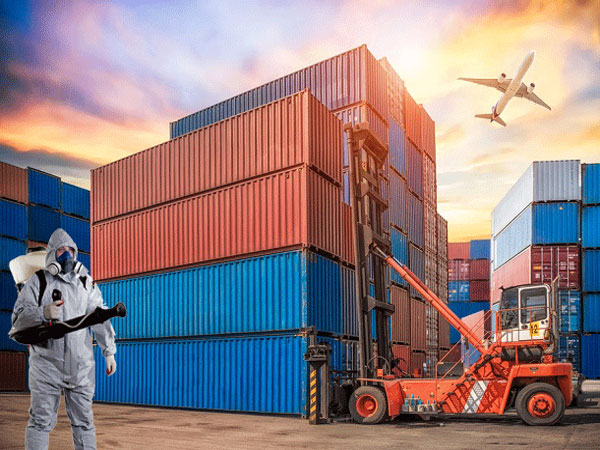
Global trade moves millions of tons of goods across borders every day—timber, grains, machinery, containers, packaged food, and more. But with this movement comes a significant biosecurity risk: the accidental spread of insects, pests, and harmful organisms from one country to another.
This is where cargo fumigation becomes essential. For any importer or exporter, understanding fumigation requirements is not just a compliance task—it's a critical step in protecting supply chains, preserving product quality, and ensuring smooth international shipments.
In this guide, we break down why cargo fumigation matters, the risks it prevents, and how businesses can stay fully compliant with global quarantine standards.
What Is Cargo Fumigation?
Cargo fumigation is the process of treating goods, packaging materials, or shipping containers with approved fumigants to eliminate pests, insects, larvae, and other harmful organisms. It is widely used for:
- Export cargo
- Import cargo
- Wooden packaging materials (ISPM-15)
- Logs and timber products
- Bulk commodities
- Machinery and equipment
Fumigation ensures that any biological threat is neutralized before the cargo enters another country’s ecosystem.
Final Thoughts
Cargo fumigation plays a vital role in safe international trade. It protects ecosystems, maintains product quality, ensures compliance, and helps avoid costly interruptions in your shipping operations.
Whether you're export-ready or bringing goods into the country, partnering with an experienced fumigation service provider ensures your cargo moves safely across borders—pest-free and compliant.